The Limits of Minimalism: Addressing Visual Overwhelm for Moms
How do you feel about minimalism?
Maybe a little bit of a love/hate relationship if you’re an overstimulated mom, especially if visual overload is a pain point. Can I just tell you how relieved I felt when last January, even Marie Kondo herself said that kids change priorities for women!
Here’s what she said: “Up until now, I was a professional tidier, so I did my best to keep my home tidy at all times. I have kind of given up on that in a good way for me. Now I realize what is important to me is enjoying spending time with my children at home.” You can read more about her personal evolution here.
Do you have a hard time giving up tidiness to enjoy spending time with your kids– like Marie?
Do you find yourself struggling for the “perfect housekeeping” system only to come up short?
Cure for Visual Overload?
Minimalism is often hailed as the ultimate solution for stress and overwhelm for overstimulated moms. Declutter your home, clear your mind, and you’ll be free from chaos…right?
But is “curing” visual overstimulation that simple?
As a mom juggling homeschooling, housework, and a million other responsibilities, minimalism can seem like the perfect escape from sensory overload.
Many overstimulated moms quickly find that while minimalism can help, it isn’t a cure-all. In fact even minimalism, has its limits. But first, let’s acknowledge the reality of visual clutter, and why it causes overwhelm in the first place.
Motherhood: The Perfect Storm for Visual Overwhelm
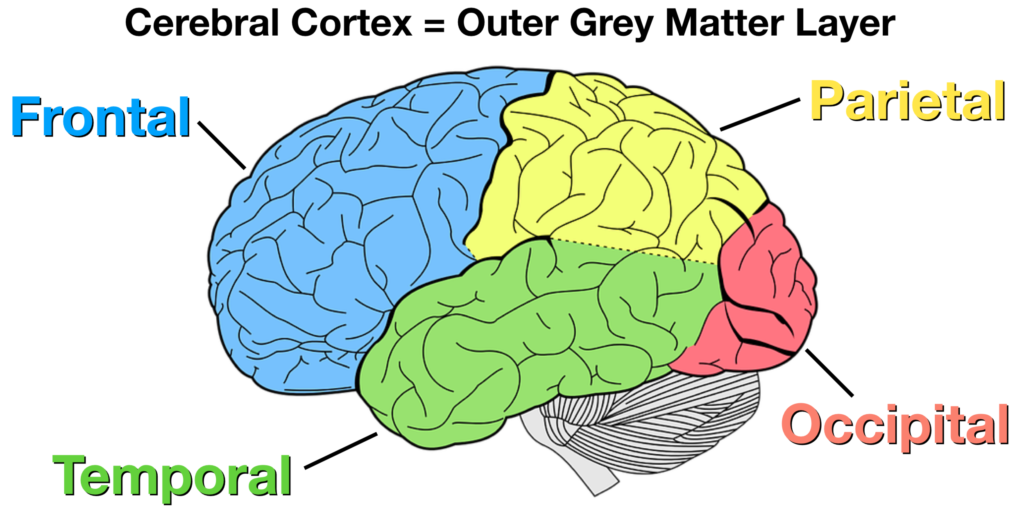
We have more research about the visual system than any other sensory system. Over half of your brain tissue deals with visual input in some capacity. We are highly visual creatures. We have a whole lobe of our brain dedicated to vision (though it isn’t contained to this area); it’s called the occipital lobe. You can read more interesting facts about vision and your brain here.
Motherhood Changes Things
Maybe you have always been easily overstimulated by visual input, but you’ve never really noticed or you’ve been able to easily compensate. But motherhood can break you because you no longer have a sanctuary of home as a reprieve from an overstimulating world.
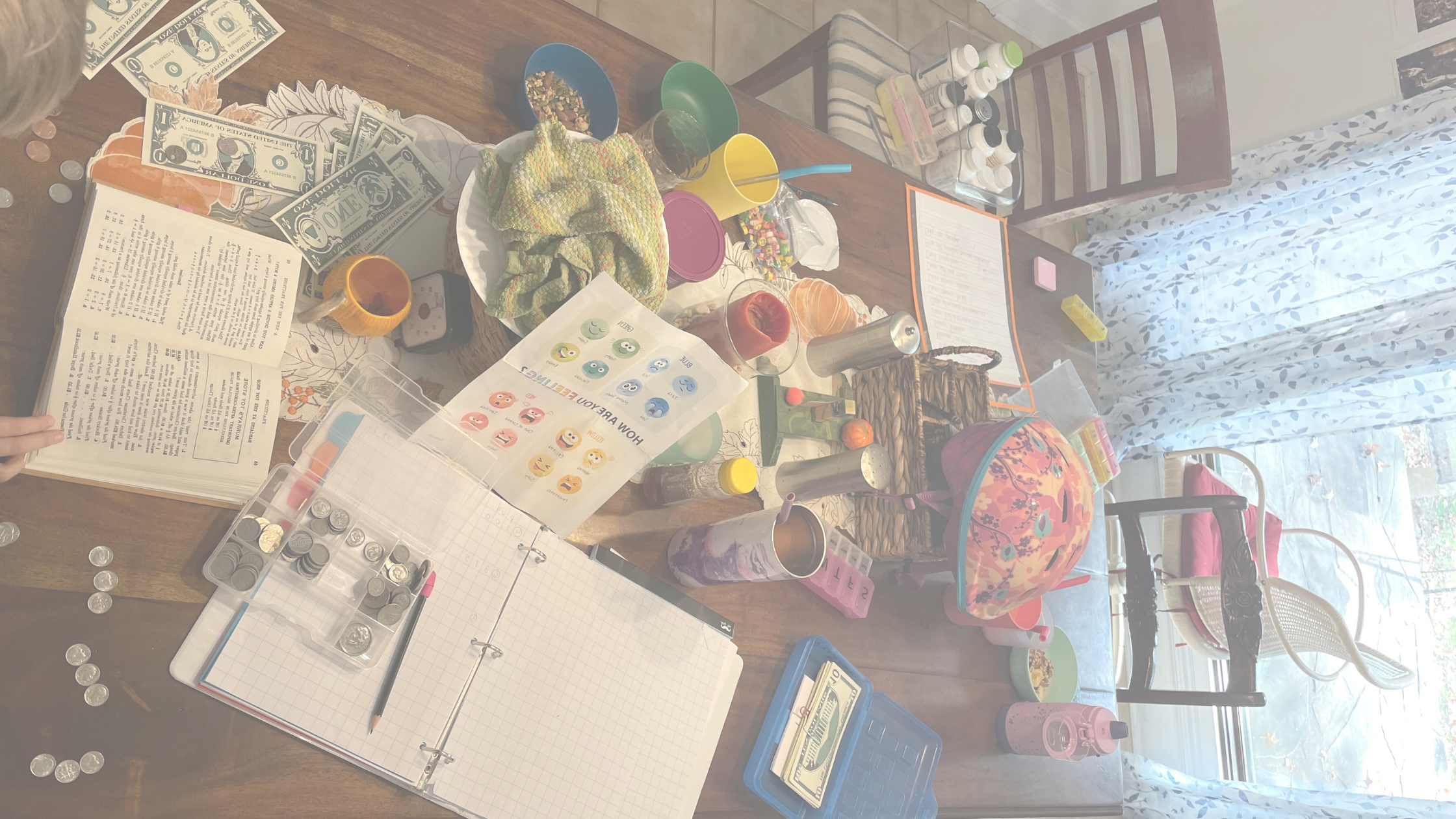
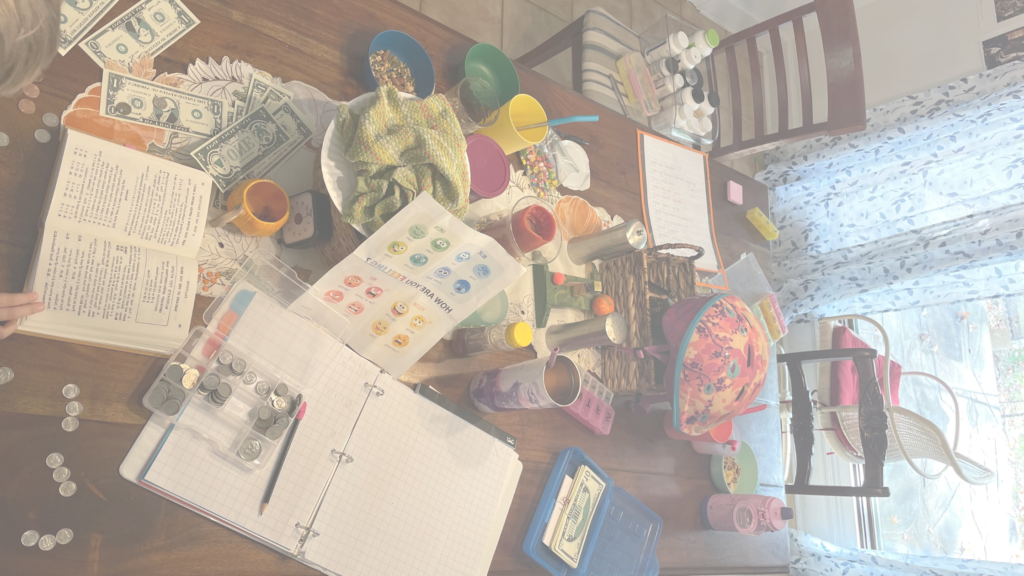
Perhaps you’ve never experienced this visual overwhelm until you became a mom. Even in a perfectly tidy home, motherhood is the perfect setting for visual overwhelm. We live with kids! So during waking hours, there’s constant motion in our visual field.
Now let’s add the mess, the sheer inventory of STUFF, the lack of predictability. Yet somehow, you must carry on through your day, focusing your eyes and attention on the right thing at the right time, picking out what you need amidst a busy backdrop. Depending on the lighting in your home and whether you have sensitivities, you can add in a whole other layer of potential difficulty. Have a headache yet?
If stuff seems to be the problem, then is minimalism the answer or is it a mask? Both.
Minimalism Won’t Cure Visual Overwhelm
What is Minimalism?
Will minimalism help? Maybe. Less inventory, less opportunity for mess, fewer decisions… There are lots of positive things to say about minimalism. First, let’s define minimalism. It was an artistic concept before the word was applied to home organization and decor.
According to Being Minimal:
“Minimalism is a lifestyle and design philosophy that prioritizes simplicity, functionality, and the intentional reduction of unnecessary elements, encouraging a focus on what is essential and meaningful.”
If stuff seems to be a problem, then why doesn’t cutting the extras solve visual overwhelm for overstimulated moms?
Minimalism Has Its Shortcomings for Overstimulated Moms
Your tendency to trash, donate, and give away A LOT might be a clue that you get overstimulated easily by visual clutter. Cheers to you for actively searching for a way to self-regulate (read more about self-regulation here)!
But relying on this dopamine hit as a primary tool to self-regulate will NOT always help you find a sense of calm and safety.
1. Minimalism Can Feel Like Pressure to be Perfect
In fact, for some of us, the minimalism pressure can be more dysregulating than regulating.
For some moms, the journey towards minimalism feels like another layer of perfectionism. The drive to reduce everything—clutter, toys, even commitments—can lead to feelings of guilt or failure when life refuses to fit into that tidy, minimalist box. Sometimes, even the pressure of keeping things “minimal” adds to your stress.
Try this instead: Instead of rigidly adhering to minimalism, it may be more helpful to adopt a flexible approach. Ask yourself: “What do I truly need to make my life run more smoothly?” It may not always look like the Instagram-perfect version of minimalism, and that’s okay. Consider finding a “sanity spot” in the house that is tidy and less stimulating to start and end your day and to find peace in moments of overwhelm.

2. Sensory Overload Isn’t Just About Stuff
For overstimulated moms, clutter isn’t just about physical items—it’s about mental and emotional clutter, too. While a clean, minimal space can help reduce sensory overload, it doesn’t address the mental load of homeschooling, managing a household, or caring for children.
A spotless home won’t magically reduce the overstimulation caused by constant noise, decision-making, and multitasking. Minimalism can only take you so far in calming your nervous system.
Try this instead: Actively invest in your own self regulation with healthy nervous system strategies that might keep you from hitting that “DONE” button quite so easily and a little less often. You can find some of those strategies in the free resource 25+ Strategies to Get Started.
3. Kids and Minimalism Don’t Always Mix
Let’s be honest—kids and minimalism don’t always get along. Whether it’s toys scattered around or projects that take over your living room, life with kids is messy by nature. Expecting to achieve and maintain a minimal aesthetic might feel unrealistic and add frustration rather than peace.
Speaking of kids, if you have a large family and manage an inventory of books, school materials, clothing, and shoes, you can only cut back so much. Even if you have one outfit per day per week, with multiple kids, that adds up quickly. Not to mention the storage of off-season clothes in the attic. Donating what we might not need and purchasing it later if we were wrong… that’s simply not always an option.
Try this instead: It’s okay to embrace a bit of controlled chaos. Prioritize minimizing in the areas that matter most to your well-being—whether that’s decluttering a playroom, simplifying your schedule, or cutting down on household tasks. Or try setting a timer with some upbeat music, and make yourself stop when it’s done.

4. Relationships Can’t Be “Minimalized”s Mix
Minimalism encourages us to cut out anything that doesn’t serve us, but relationships—especially with children—don’t fit neatly into this category. Parenting, homeschooling, and caring for loved ones are time- and energy-consuming.
The truth is… you share a house with other people! While we can work on habit-training with our kids, nagging never helps anyone. If we’re living with neurodiverse kiddos, we simply have to choose our priorities in our relationship, and that may not include a perfectly tidy bedroom at bedtime each night.
And our spouses have their own nervous systems, too. My husband simply doesn’t notice the visual clutter like I do, and while we can meet in the middle at times, it certainly helps our relationship when I realize that he isn’t intentionally “ignoring” a mess or shirking his responsibilities.
Try this instead: Have calm, straightforward conversations about reasonable tidiness standards in your home… preferably when you’re not overstimulated.

5. Minimalism Doesn’t Solve Deeper Self-Regulation Issues
Minimalism doesn’t address the root causes of sensory overload. If you’re feeling overwhelmed, stressed, or overstimulated, it’s important to look at the bigger picture. Minimalism might make your environment more manageable, but deeper issues—like burnout, lack of self-care, or unmet emotional needs—require more than just decluttering.
Try this instead: Don’t rely solely on minimalism or escaping; consider other strategies like setting boundaries, asking for help, adopting a sensory savvy lifestyle, and creating self-care routines that nourish you. These may provide more lasting relief than simply clearing out your living space. You can read more about meeting your basic needs and why it matters here.
Final Thoughts: Minimalism is a Tool, Not a Solution for Overstimulated Moms
In Summary, minimalism won’t solve your problem, but if binge-cleaning or rage-donating is a frequent thing for you, then first things first:
–observe your behavior in a curious, nonjudgmental manner
–ask yourself what it’s trying to tell you
–think back: has this solved the problem for you in a long-lasting, meaningful way?
While minimalism can be a helpful tool in reducing stress and sensory overload, it’s not a one-size-fits-all solution. As an overstimulated mom, it’s important to recognize the limits of minimalism and adapt it in ways that genuinely support your well-being, rather than becoming another source of stress.
Don’t be afraid to find a balance that works for you—where minimalism helps without constraining your life. In the end, peace comes from feeling aligned with your values, your family’s needs, and your own capacity to thrive.